

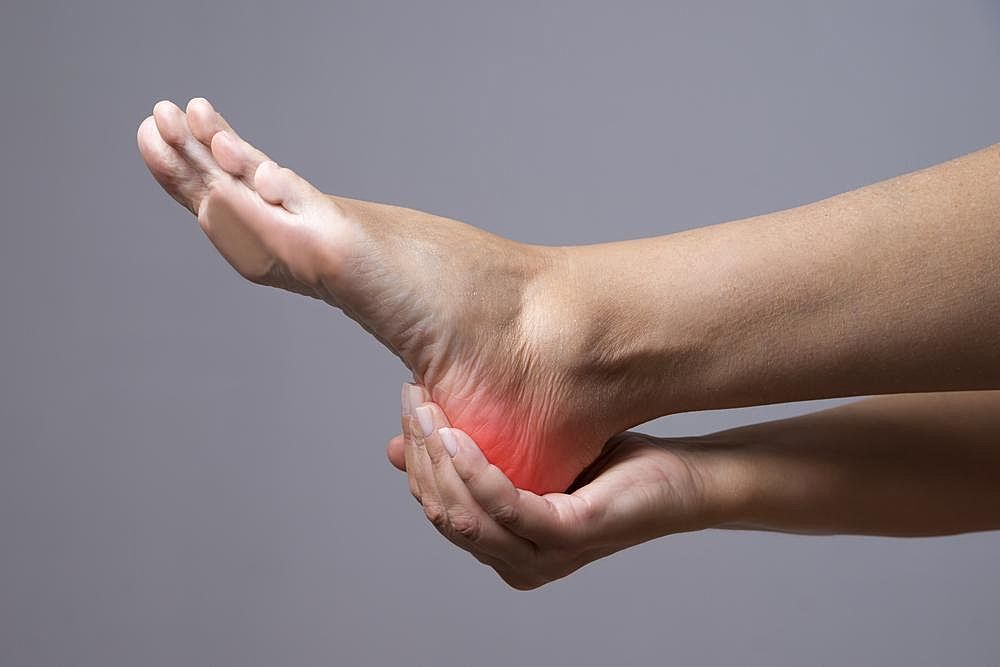
Heel pain is one of the most common reasons patients seek care at New Orleans Podiatry. Whether caused by plantar fasciitis, heel spurs, tarsal tunnel, or chronic overuse, persistent heel pain requires an accurate diagnosis and a structured, stepwise treatment approach.
Our philosophy is simple: begin conservatively, escalate thoughtfully, and reserve surgery only when truly necessary.
Most heel pain improves with targeted conservative treatment.
Custom-crafted orthotics provide structural support, redistribute pressure, and improve foot alignment. These are especially helpful for patients with flat feet, high arches, or biomechanical instability contributing to heel strain.
Stretching the plantar fascia, Achilles tendon, and calf muscles reduces tension across the heel. Functional movement therapy addresses faulty mechanics that often lead to chronic inflammation.
Shoes with proper arch support, cushioning, and a slight heel lift can significantly reduce stress on the plantar fascia. Avoid worn-out shoes, unsupportive flats, and flip-flops.
Reducing processed foods and excessive sugar intake may help decrease systemic inflammation and support tissue healing. Whole-food nutritional strategies are often incorporated into long-term recovery plans.
If heel pain persists despite conservative care, we may recommend advanced therapies designed to stimulate healing at the tissue level.
We offer both focused and radial shockwave technology to stimulate circulation and promote repair of damaged plantar fascia tissue. Shockwave therapy is non-invasive and requires no downtime.
In select cases, regenerative medicine may be used to stimulate natural healing in chronically inflamed or degenerative tissue. These therapies are designed to support your body’s own repair mechanisms.
For patients with persistent or complex heel pain, precision imaging can change outcomes.
These injections are delivered directly to the affected tissue under ultrasound guidance, increasing accuracy and reducing surrounding tissue exposure.
When heel pain involves nerve entrapment or fascial restriction, hydrodissection may be performed. This technique uses fluid under ultrasound guidance to gently separate irritated structures and relieve pressure. In many cases, this provides relief when standard treatments have failed.
Surgery is reserved for carefully selected patients who do not respond to non-surgical therapies. Endoscopic Plantar Fasciotomy (EPF) is a minimally invasive procedure that releases a portion of the plantar fascia to relieve tension and restore function. Compared to traditional open surgery, EPF typically offers shorter recovery time and reduced postoperative discomfort.
Relief begins with the right diagnosis.
Chronic heel pain rarely resolves on its own. Left untreated, it may lead to altered gait patterns and additional foot, knee, or hip problems.
Dr. Edward Lang brings more than 30 years of experience in diagnosing and treating complex heel conditions using a personalized, evidence-based approach.


Call Us: (504) 897-3627
Text Us: (504) 897-3627
Mon–Wed: 7:00 AM–5:00 PM
Thu: 9:00 AM–6:00 PM
Fri: 7:00 AM–12:00 PM
Texting daily till 9:00 PM
