
Bursitis New Orleans, LA
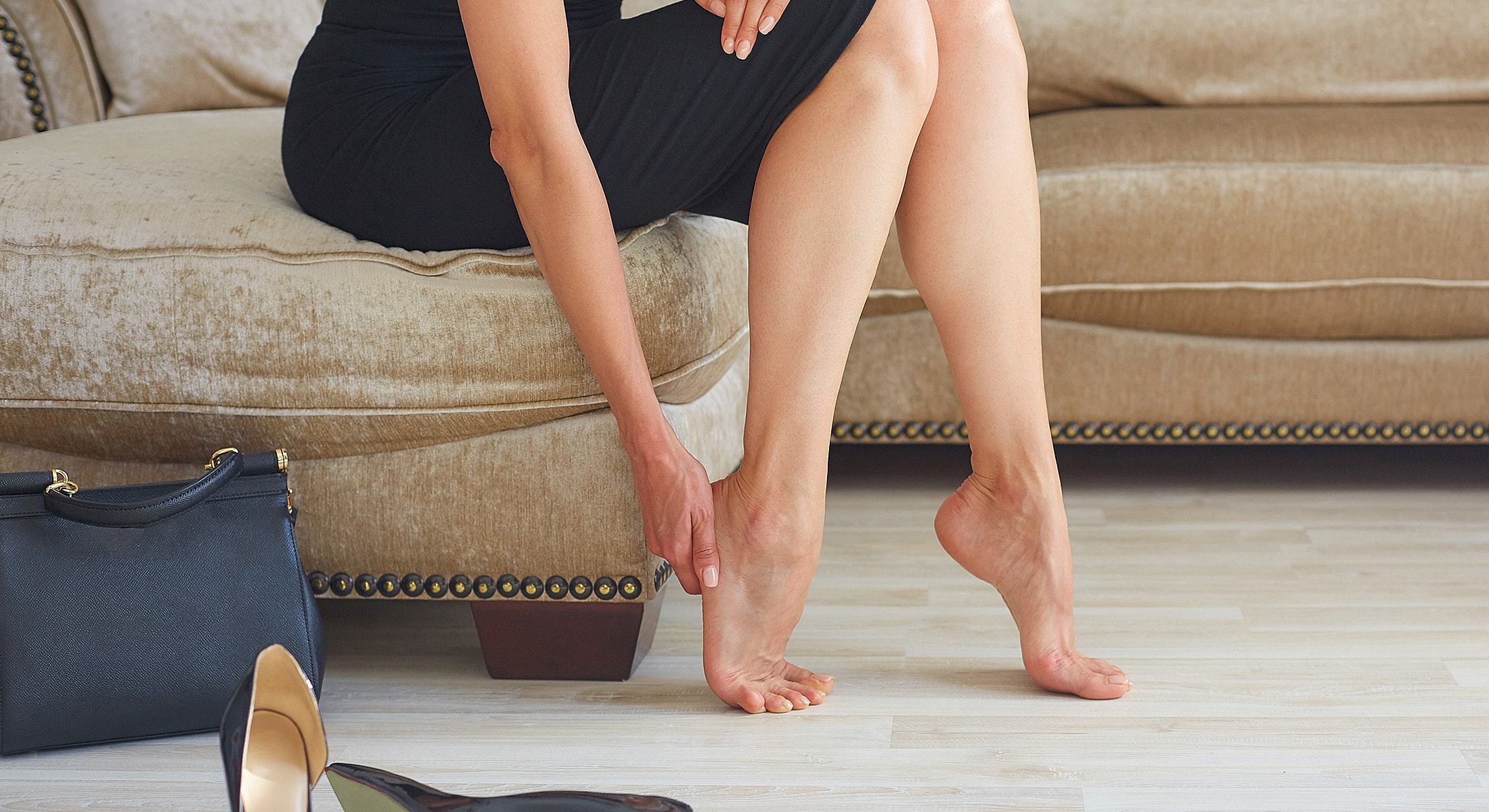
Bursitis occurs when a bursa—a small, fluid-filled sac that cushions and protects joints and soft tissues—becomes irritated or inflamed. In the foot and ankle, bursae play an essential role in reducing friction between bones, tendons, and skin. When these sacs become overloaded, compressed, or repeatedly rubbed, they can swell and become painfully tender, making even simple movements uncomfortable.
Patients with bursitis often report a deep ache or sharp discomfort, swelling, warmth, or sensitivity to pressure. The condition commonly affects the back of the heel (retrocalcaneal bursitis), the side of a bunion, the forefoot near the toes, or areas where shoes repeatedly rub or compress the tissue. High-impact activity, tight footwear, structural foot imbalances, or underlying inflammatory conditions can all contribute to the development of bursitis.
At New Orleans Podiatry, we begin with a careful clinical examination and targeted imaging to identify which bursa is affected and pinpoint the mechanical or inflammatory cause. Because bursitis is often a symptom of an underlying issue—such as Achilles tendinitis, Haglund’s deformity, bunions, or forefoot overload—addressing the root contributors is essential for lasting relief.
Treatment focuses on calming the inflammation, protecting the irritated bursa, and reducing friction in the affected area. Your care may include footwear modifications tailored to your anatomy, targeted stretching or strengthening, activity adjustments, anti-inflammatory protocols, or Class IV laser therapy to promote healing and reduce swelling. In more persistent cases, advanced injection therapy may be considered to quiet inflammation and restore comfort.
For patients whose bursitis is linked to a structural problem—such as a prominent heel bone, bunion deformity, or abnormal pressure pattern—corrective procedures may be recommended to provide long-term resolution and prevent recurrence. Dr. Lang performs these interventions with meticulous attention to both function and aesthetics, ensuring that treatment is effective and outcomes are refined.
With accurate diagnosis and a thoughtful approach to both the irritation and its root cause, most patients experience meaningful relief and a return to pain-free movement.