

Foot & Ankle Conditions by Location
New Orleans, LA


Foot pain can originate in the forefoot, heel, midfoot and arch, ankle, or surrounding soft tissues such as skin and toenails. Identifying the exact location and pattern of discomfort helps determine the underlying condition. Below are the most common causes of foot and ankle pain we evaluate and treat.

The forefoot is the front portion of the foot, consisting of the five metatarsal bones, the phalanges (toes), and the associated joints, ligaments, tendons, and soft tissues. It plays a critical role in weight distribution, balance, and propulsion during walking and running. The forefoot absorbs pressure during push-off and helps stabilize the body during gait.

A progressive deformity of the big toe joint that can lead to pain, inflammation, crowding of the toes, and difficulty with footwear.
A structural toe deformity resulting in joint contracture, painful pressure points, corns, and shoe irritation.
A compression-related enlargement of nerve tissue between the toes that produces burning, numbness, or sharp forefoot pain, often worsened by tight footwear.
Degeneration or thinning of the protective fat pad beneath the forefoot, resulting in pressure-related pain and reduced shock absorption during walking.
Stress-related or acute breaks in the metatarsal bones that result in swelling, point tenderness, and pain during weight-bearing.
Heel pain is one of the most common reasons patients seek podiatric care and can significantly impact daily activity. It may develop gradually from overuse or appear suddenly after increased activity, affecting the bottom, back, or sides of the heel. Because several conditions can produce similar symptoms, accurate diagnosis is essential to ensure effective treatment and lasting relief.

Inflammation of the plantar fascia causing sharp heel pain, especially with the first steps in the morning or after periods of rest.
Bony growths on the underside of the heel that may contribute to chronic irritation and heel pain, often associated with plantar fasciitis.
Inflammation of the Achilles tendon causing pain and stiffness at the back of the heel or ankle, often worsened by activity.
Pain in the arch or midfoot may result from joint degeneration, tendon strain, or nerve compression. Because multiple structures support this region, accurate diagnosis is essential for effective and lasting relief.
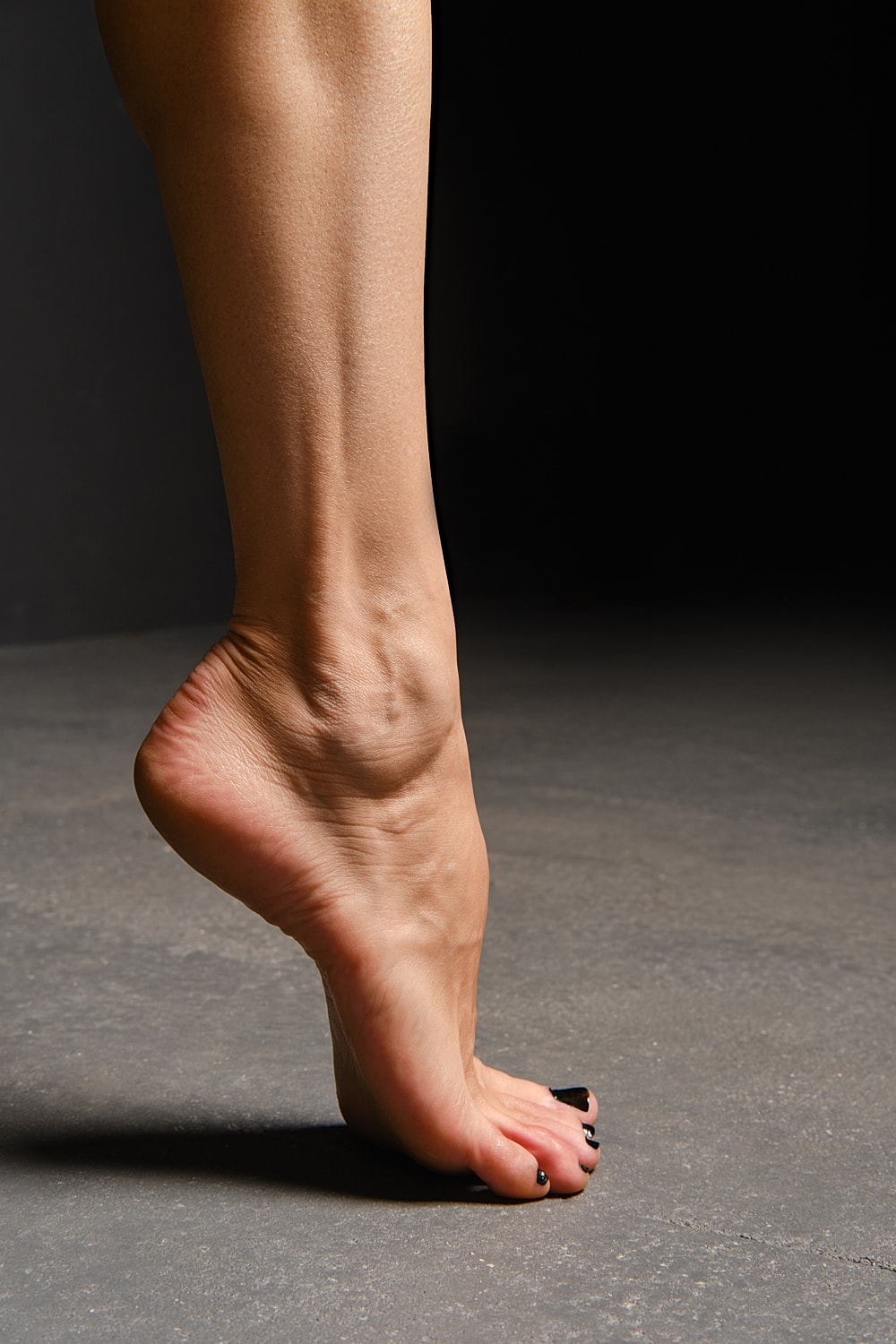
Degenerative changes within the foot joints that cause stiffness, swelling, reduced mobility, and chronic discomfort.
Inflammation of the tendons supporting the arch, often caused by overuse, repetitive strain, or biomechanical imbalance.
Compression of the tibial nerve along the inner ankle that produces burning, tingling, numbness, or shooting pain in the foot.
Ankle injuries and chronic instability can lead to recurrent sprains, weakness, and long-term joint damage if not properly treated. Early evaluation and stabilization are key to preventing ongoing dysfunction and protecting the joint.
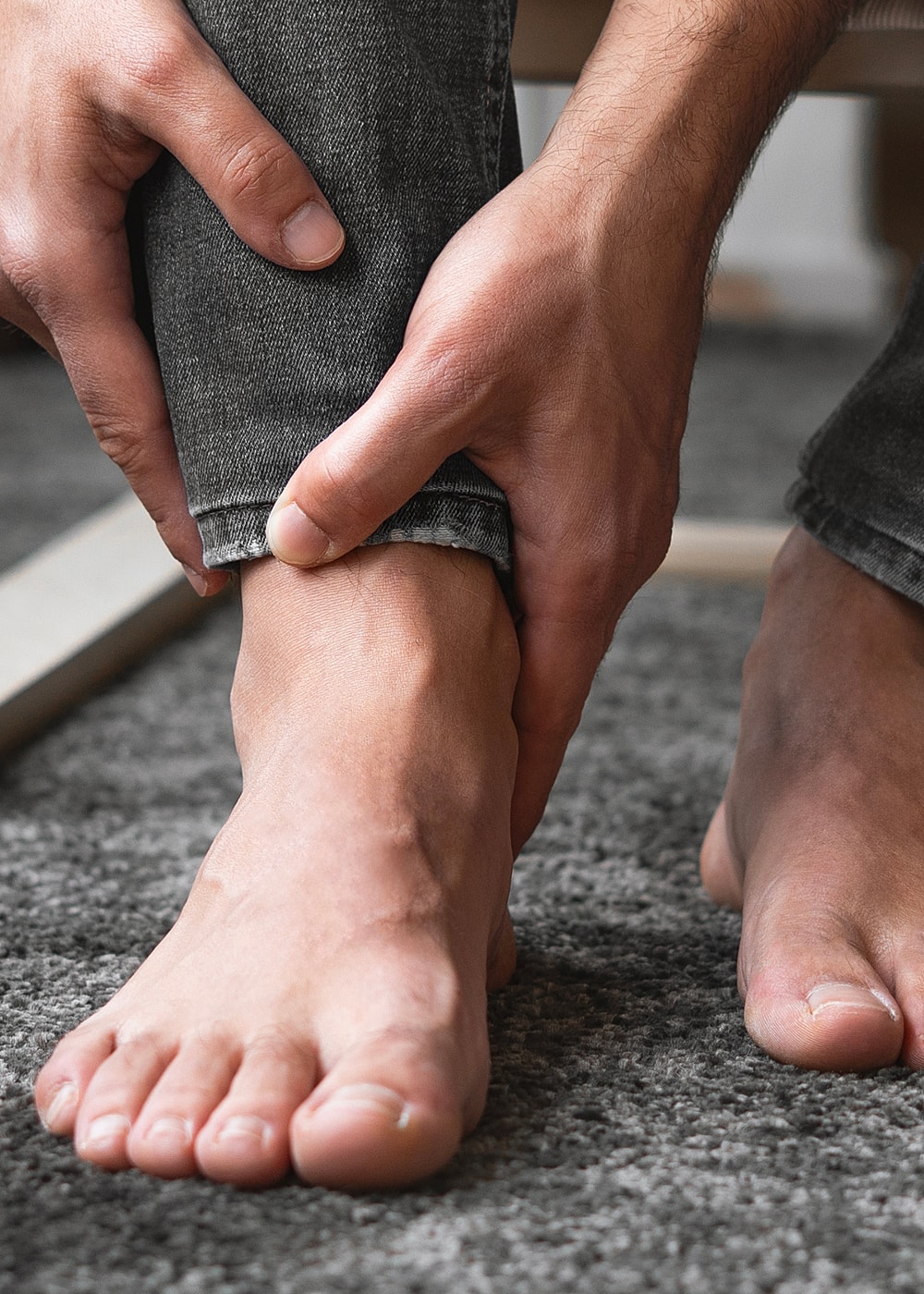
A ligament injury caused by twisting or rolling the ankle, resulting in pain, swelling, and difficulty bearing weight.
Persistent ankle weakness or repeated sprains due to ligament laxity or incomplete healing after previous injury. Click Ankle Instability to explore advanced treatment options at New Orleans Podiatry.
Some forms of foot pain and irritation originate in the skin or nail structures. Proper evaluation helps distinguish minor surface concerns from conditions that require medical treatment.

A painful condition in which the edge of the nail grows into the surrounding skin, causing redness, swelling, and possible infection.
A fungal infection that leads to nail thickening, discoloration, brittleness, and discomfort over time.
Viral skin growths on the sole of the foot that can become painful when walking or standing. Click Plantar Warts to learn more about treatment options at New Orleans Podiatry.
A splinter, glass fragment, sea urchin spine, or other embedded object that can cause pain, swelling, and risk of infection. Prompt evaluation ensures complete removal and reduces complications.
Thickened areas of skin caused by repeated friction and pressure, often resulting in localized pain.
While trimming may provide temporary relief, lasting improvement requires identifying and correcting the underlying structural cause — and in many cases, surgical correction may be necessary. Corns are also frequently self-misdiagnosed and may actually represent plantar warts, callused lesions, or porokeratosis, making proper evaluation essential.
While many cases improve with conservative care, persistent pain, deformity, instability, or failure of prior treatments may require advanced intervention.
Dr. Lang provides surgical evaluation for:
We use in-house, state-of-the-art imaging and diagnostic testing to guide precise treatment and provide evidence-based care.
Persistent or worsening foot pain rarely resolves on its own. Early evaluation helps prevent chronic damage, structural changes, and prolonged recovery. Identifying the precise source of pain is the first step toward lasting relief.
Call our office, text our team, or request an appointment online to schedule your consultation with Dr. Edward Lang, DPM.


Call Us: (504) 897-3627
Text Us: (504) 897-3627
Mon-Thurs: 7:00 AM – 5:00 PM
Fri: 7:00 AM - 12 PM (phones on until 5 PM, texting is provided after hours until 9pm)
