
High Arches (Cavus Foot)
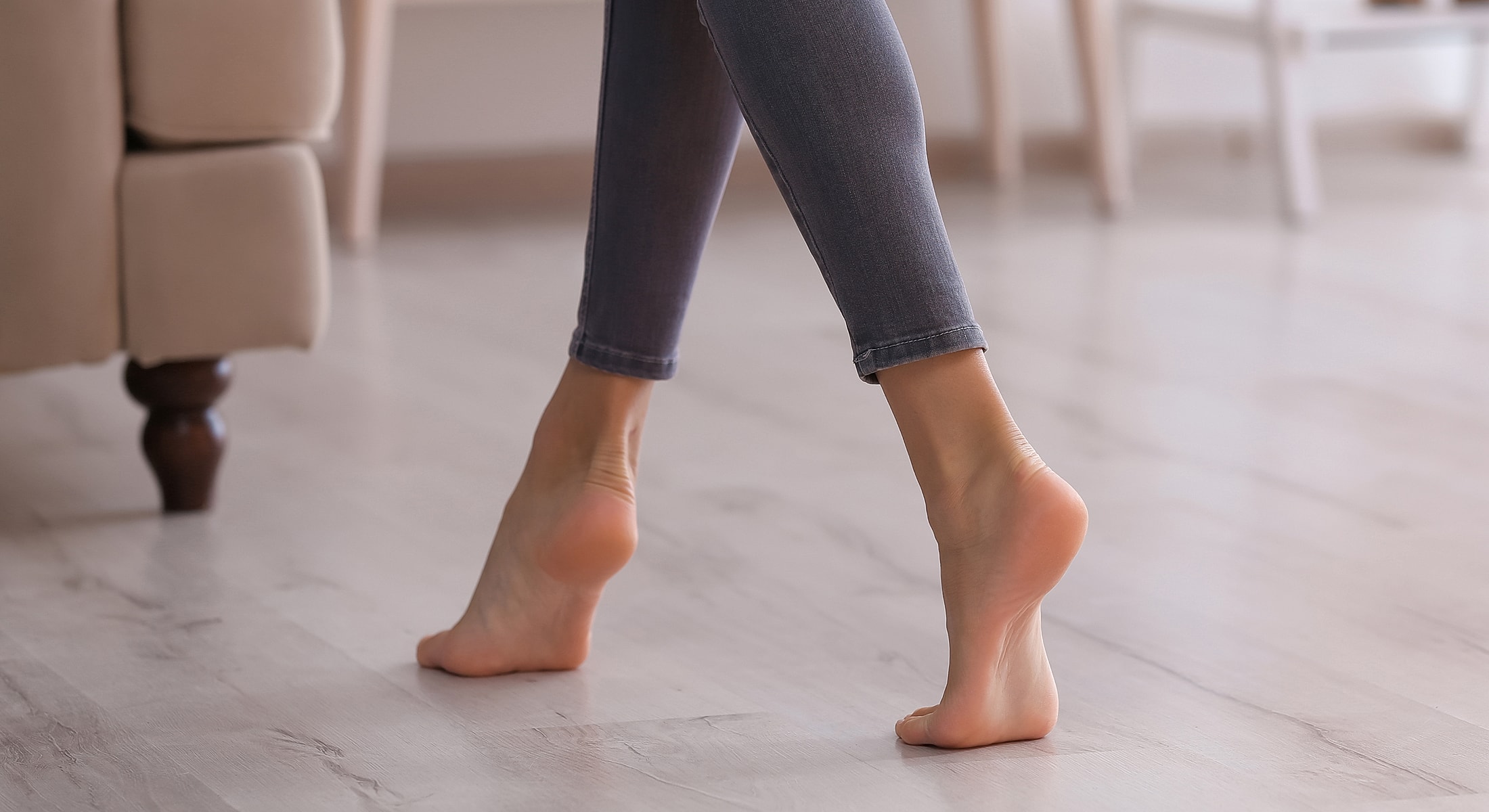
High arches—also known as cavus foot—occur when the arch of the foot is excessively elevated, placing disproportionate pressure on the ball and heel of the foot. Because this structure absorbs shock less effectively, every step can create increased stress on the metatarsals, tendons, and joints. Patients may experience chronic forefoot pain, heel discomfort, ankle instability, frequent sprains, callus formation, hammertoes, or nerve irritation such as Morton’s neuroma.
Cavus foot may be inherited or develop from neuromuscular conditions, trauma, or long-standing biomechanical imbalances. Even when the cause is structural, pain often arises from predictable pressure points and muscle imbalances, which tend to worsen over time without targeted intervention.
At New Orleans Podiatry, we begin with a detailed clinical examination and imaging to determine whether the high arch is flexible or rigid, identify associated deformities, and locate the precise areas where pressure and instability originate. This allows us to develop a treatment plan tailored to your unique foot structure and symptoms.
Conservative care focuses on improving shock absorption, redistributing pressure, and enhancing stability. Depending on your needs, treatment may include prescription orthotics specifically designed for high arches, footwear optimization, calf and intrinsic foot strengthening, stretching programs, Class IV laser therapy, and targeted anti-inflammatory protocols. These approaches help reduce pain, prevent recurrent sprains, and support a more stable, comfortable gait.
When structural deformities such as plantar-flexed metatarsals, rigid toe contractures, or severe cavus alignment cause persistent symptoms, surgical intervention may be considered. Dr. Lang offers a range of advanced procedures—including minimally invasive techniques when appropriate—to rebalance the foot, correct deformities, and restore more natural mechanics.
With personalized care and thoughtful structural support, patients with high arches can achieve significant improvement in comfort, stability, and overall foot function—allowing them to walk, exercise, and live with renewed confidence.